
Jul 23, 2026 · 8 min read
Database vs Spreadsheet: When Should a Business Upgrade?
Compare a database vs spreadsheet for managing business data. Learn the signs that spreadsheets are limiting your workflow and what to use instead.
Services
Our service offers a team of engineers, designers, and QA specialists to achieve your goals.
See how it worksYou gain a team of experts including engineers, designers, and QA who drive your project.
See what our Dev team can build for you
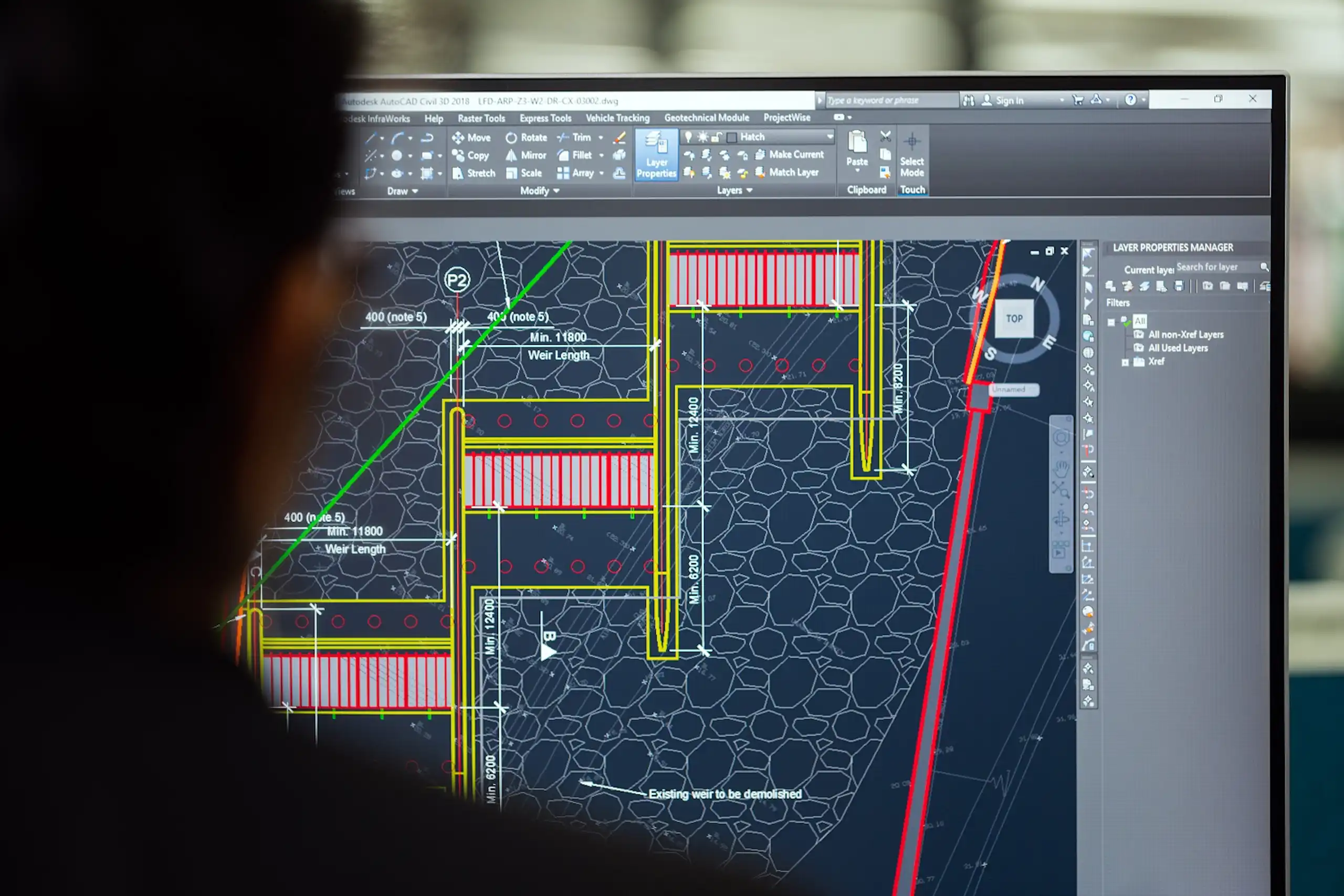
Property development software helps to streamline workflows, improve communication, and reduce the risk of errors and delays. It also helps developers to make better decisions about their projects and businesses. Whether you're planning a multi-story residential complex or a sprawling commercial space, property development software ensures that every facet of your project is seamlessly integrated and meticulously managed from inception to completion. This article details what you should know about property development software.
Property development software refers to specialised software tools and platforms used by developers, real estate professionals, architects, and builders to manage, organise, and optimise the process of property development. These tools range from project management applications to financial modeling software.
There are many benefits to using property development software. They include:
Improved project management: Property development software can help to improve project management by providing a centralised platform for tracking tasks, milestones, and budgets. This helps to ensure that projects stay on track and on budget.
Increased collaboration: It also increases collaboration by making it easy to share documents, drawings, and other project data with other stakeholders, which ultimately improves communication and reduces the risk of misunderstandings.
Reduced risk of errors: Property development software helps to reduce the risk of errors by providing a variety of features and tools to help users manage complex data and calculations. It ensures that projects are completed accurately and on time.
Increased efficiency and productivity: You can also increase efficiency and productivity by automating tasks and streamlining workflows. This can free up developers and other team members to focus on more strategic and important tasks.
There are a variety of different types of property development software available, each with its own unique features and capabilities. Some of the most common types of property development software include:
Project management software can help developers to track tasks, milestones, and budgets. It can also be used to generate reports and track progress over time.
Financial modeling software can be used to create and analyze financial models for property development projects. Developers are able to make informed decisions about project feasibility and profitability.
Contract management software help developers to manage contracts with suppliers, contractors, and other stakeholders. This can help to ensure that contracts are properly executed and that all parties are meeting their obligations.
This software helps developers to store, organise, and manage project documents. It improves collaboration and makes it easier to find important documents.
Construction management software helps developers to manage the construction phase of property development projects. It includes features such as task tracking, scheduling, and budgeting.
Procore is a construction management software that offers a range of functions, including financials and project management. It is a cloud-based platform that can be accessed from anywhere, making it ideal for teams that work on multiple projects simultaneously.
Some of the key features of Procore include:
CoStar is a commercial real estate software that provides tools for analysis, comparisons, and leads. It is a cloud-based platform that offers a variety of features to help developers make informed decisions about their commercial real estate investments.
Key features of CoStar include:
Buildertrend is a pre-sale, project management, and customer service software for builders and contractors. It is a cloud-based platform that offers a variety of features to help builders and contractors streamline their workflows and improve their customer service.
Some of the key features of Buildertrend include:
ARGUS Developer is a financial modeling software that is designed specifically for large-scale real estate development projects. It is a powerful tool that can help developers to create and analyze complex financial models.
Some of the key features of ARGUS Developer include:
Property development software solutions can be integrated with other software tools to streamline workflows, improve efficiency, and reduce errors. Some of the most common software tools that property development software solutions can be integrated with include:
When choosing property development software, it is important to consider the specific needs of your business. Some factors to consider include:
Property development software plays an indispensable role in the modern real estate and construction sectors. By streamlining operations, enhancing communication, and providing valuable insights, these tools enable developers to bring their visions to life efficiently and profitably. As technology continues to advance, the capabilities and benefits of property development software will only grow, ensuring its continued importance in the industry.
Keep Reading
Jul 23, 2026 · 8 min read
Compare a database vs spreadsheet for managing business data. Learn the signs that spreadsheets are limiting your workflow and what to use instead.

Jul 23, 2026 · 9 min read
Compare SQL vs NoSQL databases by structure, transactions, scalability and use case. Learn which architecture is right for your application.
.jpg_7DAeB8?tr=w-2560,f-webp,q-50)
Jul 23, 2026 · 8 min read
Find the best database for web applications based on SaaS, ecommerce, marketplace, real-time and content use cases. Compare the practical trade-offs.
© Wazobia Technologies 2026
